Creating a relaxing home office environment is essential for maintaining focus, reducing stress, and enhancing overall productivity. Whether you work remotely full-time or just need a dedicated space for occasional tasks, designing an inviting and calming workspace can make a significant difference in your daily routine. In this post, we’ll explore practical tips and ideas to transform your home office into a peaceful haven.
Why a Relaxing Home Office Matters
Spending long hours working at home can blur the line between professional and personal life. A cluttered, noisy, or poorly designed workspace may hinder your concentration and increase feelings of fatigue or anxiety. On the other hand, a calming home office promotes mental clarity, motivation, and creativity. It also encourages healthier work habits and helps maintain a positive mood throughout the day.
Choosing the Right Location
Pick a Quiet Corner or Room
Selecting a quiet area with minimal distractions is the first step toward building a relaxing home office. Ideally, choose a room or corner away from high-traffic areas such as the kitchen or living room. If space is limited, consider using partitions, room dividers, or noise-canceling headphones to reduce disturbances.
Utilize Natural Light
Natural light has a calming effect and helps regulate sleep cycles, making it easier to stay alert and focused. Position your desk near a window if possible. Avoid harsh glare by using sheer curtains or blinds to diffuse direct sunlight.
Optimize Comfort and Ergonomics
Invest in a Comfortable Chair
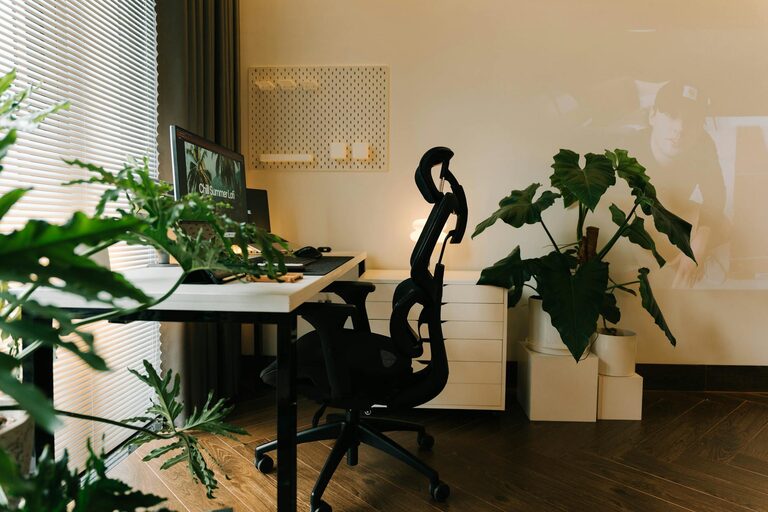
A supportive chair is crucial for comfort and posture during long work sessions. Look for an adjustable chair that supports your lower back and allows your feet to rest flat on the floor.
Desk Height and Layout
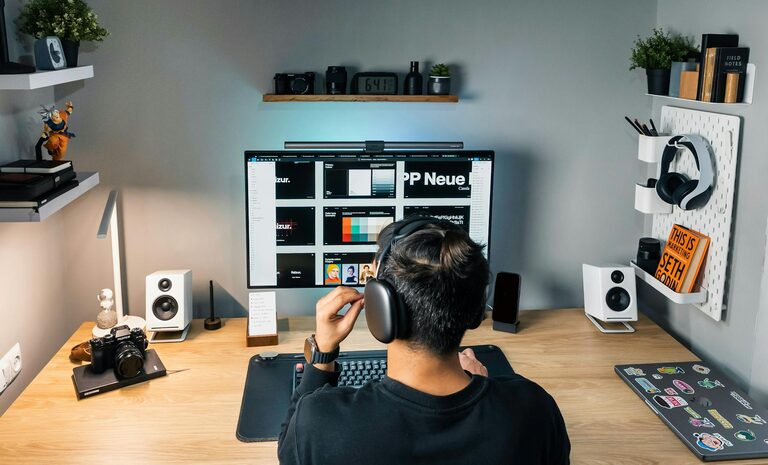
Ensure your desk is the appropriate height to keep your wrists straight while typing. Arrange essential tools within arm’s reach to minimize unnecessary movement. Organize your space so it feels open and decluttered.
Choose Calming Colors and Decor
Soft, Neutral Colors
Colors can influence mood significantly. Soft blues, greens, and neutral tones tend to create a serene atmosphere, reducing stress and promoting focus. Avoid overly bright or harsh colors that may feel overwhelming.
Minimalist Decorations
Keep decorations simple and meaningful. A few framed prints, plants, or personal items can make the space inviting without creating visual clutter. Avoid overcrowding surfaces with too many objects.
Incorporate Natural Elements
Houseplants
Adding greenery to your home office can improve air quality and provide a sense of tranquility. Choose low-maintenance plants like succulents, peace lilies, or spider plants.
Natural Materials
If possible, incorporate natural materials like wood, cork, or stone in your furniture and accessories. These textures add warmth and contribute to a soothing environment.
Control Noise and Distractions
Soundproofing Options
If ambient noise is an issue, consider soundproofing your workspace with rugs, curtains, or acoustic panels. These soft materials absorb sound and reduce echo.
Background Music or White Noise
Some people find that gentle background music or white noise helps maintain focus and block distracting sounds. Experiment to find what works best for you.
Organize and Declutter
Establish Storage Solutions
Use shelves, filing cabinets, and desk organizers to keep your workspace neat and orderly. A tidy environment reduces mental clutter and makes it easier to find what you need.
Daily Cleanup Routine
Take a few minutes at the end of each workday to tidy up your desk and put away materials. This practice can create a clear boundary between work and relaxation time.
Optimize Lighting
Layered Lighting
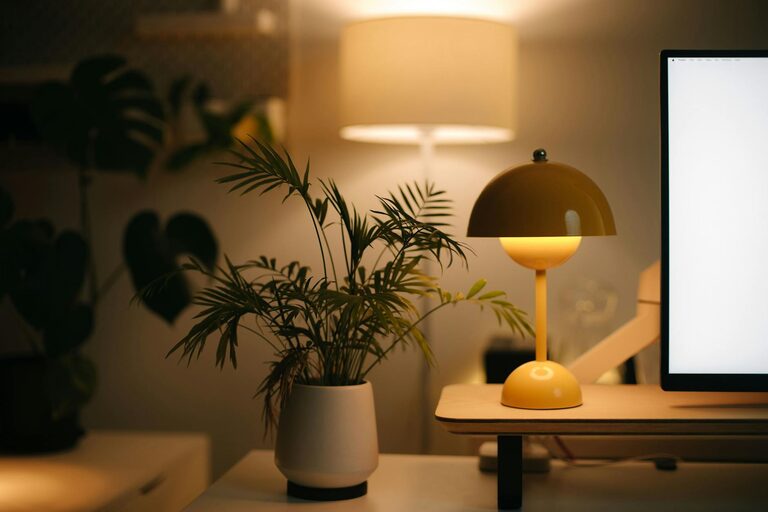
Combine natural light with adjustable task lighting and ambient lighting to reduce eye strain. A desk lamp with adjustable brightness and color temperature can help tailor lighting to your needs throughout the day.
Avoid Screen Glare
Position your computer monitor to avoid reflections from windows or bright lights. Adjust screen brightness and contrast settings for comfortable viewing.
Add Personal Touches Wisely
Inspirational Quotes or Art
Including motivating quotes or artwork can make your workspace uplifting without becoming distracting.
Scent and Atmosphere
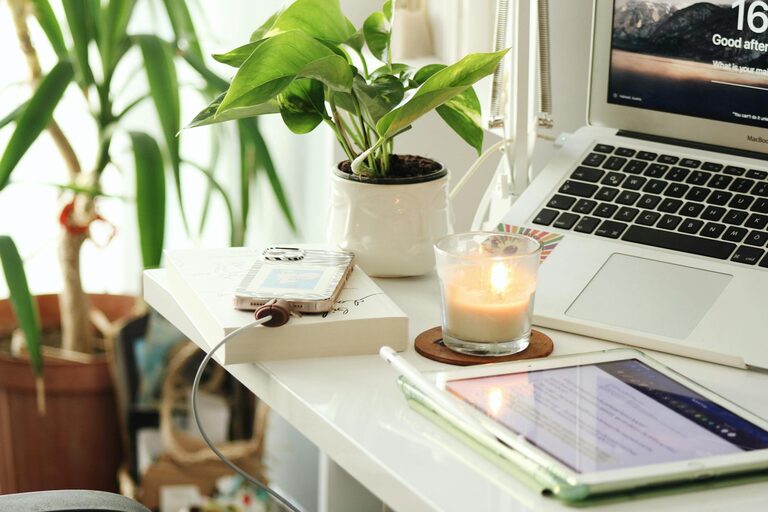
Consider adding candles or essential oil diffusers with calming scents like lavender or eucalyptus to create a peaceful ambiance.
Establish Boundaries and Routine
Separate Work Time and Breaks
Use timers or alarms to remind yourself to take regular breaks. Stretching or stepping away from your desk helps reduce fatigue.
Define Work Hours
Having clear start and finish times helps maintain work-life balance, minimizing stress and burnout.
—
Creating a relaxing home office environment doesn’t require a large budget or much time. With thoughtful planning and simple changes, you can craft a workspace that supports your well-being and enhances your productivity. Try implementing a few of these tips, and enjoy a more peaceful, focused workday at home.